
Battery recycling
Recycling is becoming one of the most important ways to achieve the Circular Economy. Lead-acid battery recycling is an ideal example to emulate and explore our own waste management solutions.

Sustainability has a very specific meaning for us. Batteries are the most recyclable product in the world. We regularly use recycled products, collaborate with waste processing plants, and ensure daily waste sorting. We strive for a healthy and active lifestyle, invest in renewable energy sources, conserve water, and implement long-term projects. Our collaboration is guided by the principles of transparency and trust.
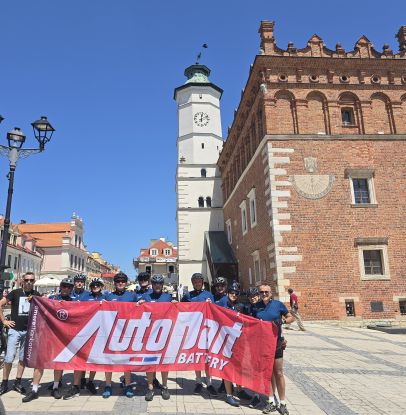



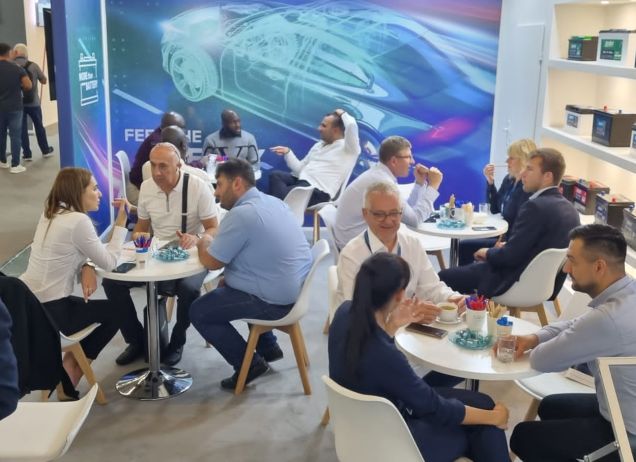
The Code of Ethics aims to outline the guiding principles that shape a proper work culture and stakeholder relations. The Code encompasses the main principles of conduct for AUTOPART employees in the broadest sense of professional and social ethics, anti-discrimination, and anti-corruption.
Environmental responsibility is a key element of AUTOPART's operations. The company consistently develops its environmental management system, integrating legal requirements, international standards, and its own goals for reducing environmental impact. The foundation of these activities is its Environmental Policy and its existing management system compliant with the ISO 14001 standard. A key element of its environmental strategy is responsible management of natural resources. A closed water cycle, water consumption monitoring, and the operation of an on-site treatment plant allow for the reduction of water resource consumption and the minimization of the impact of production on the local environment.
Particular attention is paid to safe waste management and the recovery of raw materials, particularly lead, a valuable material reused in production processes. AUTOPART is also developing a responsible approach to supply chain management. Implementation of a due diligence system for responsible raw material sourcing has begun, in line with OECD guidelines and European Union regulations on conflict minerals and the Battery Regulation. These initiatives strengthen the transparency of the value chain and prepare the company for future regulatory requirements.
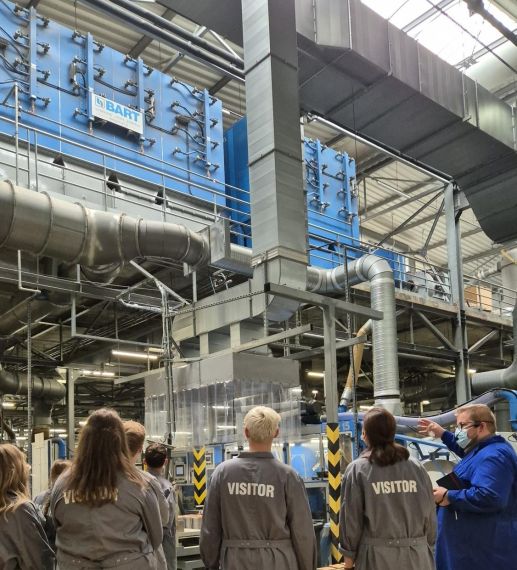
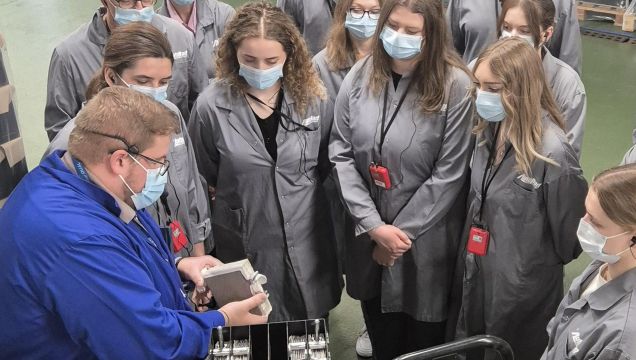
People are AUTOPART's most important asset and the foundation of the company's long-term development. Social initiatives focus on creating a safe, stable, and friendly work environment, supporting employee competency development, and building lasting relationships with the local community and business partners. The company maintains a human resources policy based on the principles of equal treatment, respect for diversity, and ensuring equal opportunities for professional development. AUTOPART devotes particular attention to employee development. A training system, talent management programs, competency assessments, and opportunities to enhance qualifications through studies and specialized courses support the development of a modern, knowledge-based organization.
A significant element of its social initiatives is the health, safety, and well-being of its employees. The company provides a wide range of non-wage benefits, including private healthcare, meal subsidies, sports programs, group insurance, Employee Capital Plans, and social support. Social responsibility also extends beyond the company's boundaries. The company actively collaborates with universities, schools, labor market institutions, and industry organizations, supporting the development of future staff competencies and knowledge exchange. At the same time, it engages in social, educational and sports initiatives, supports non-governmental organizations and carries out activities promoting proper handling of batteries and recycling, contributing to building environmental awareness among the region's inhabitants.

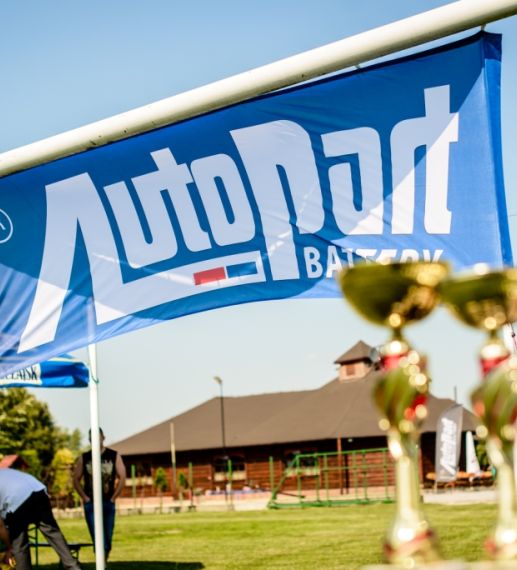
Corporate governance is the foundation of AUTOPART's responsible and transparent management. The company develops its operations based on applicable laws, international management standards, and internal regulations that ensure transparency in decision-making processes, operational security, and long-term business stability. The management system is based on a clearly defined organizational structure, a precise division of responsibilities, and a set of procedures governing key business processes. The regulations, policies, and instructions in place cover areas such as ethics, personnel management, personal data protection, purchasing, receivables and payables management, and internal control systems. This effectively mitigates operational, legal, and organizational risks and ensures compliance with regulatory requirements.
A key element of corporate governance is the development of a responsible supply chain. AUTOPART implements a purchasing policy that incorporates environmental, social, and governance criteria, promoting transparency in cooperation with suppliers and responsible sourcing of raw materials. These actions strengthen the company's resilience to risks related to material availability, regulatory changes, and the expectations of customers and business partners. The company places great importance on maintaining stable and partnership-based relationships with its contractors. Clearly defined principles of cooperation, timely payment of liabilities and a receivables management policy support the financial security of the company and build mutual trust throughout the entire value chain.
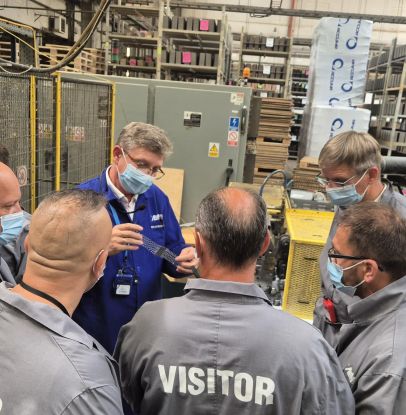
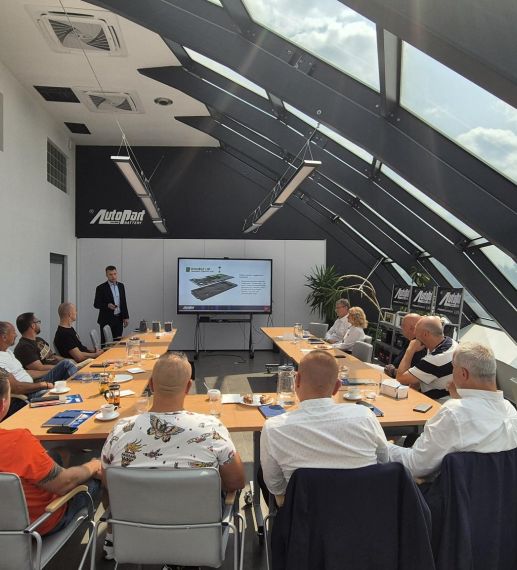
We implement the idea of a circular economy by using recycled components in production and collaborating with steel mills that receive all production waste and used batteries.
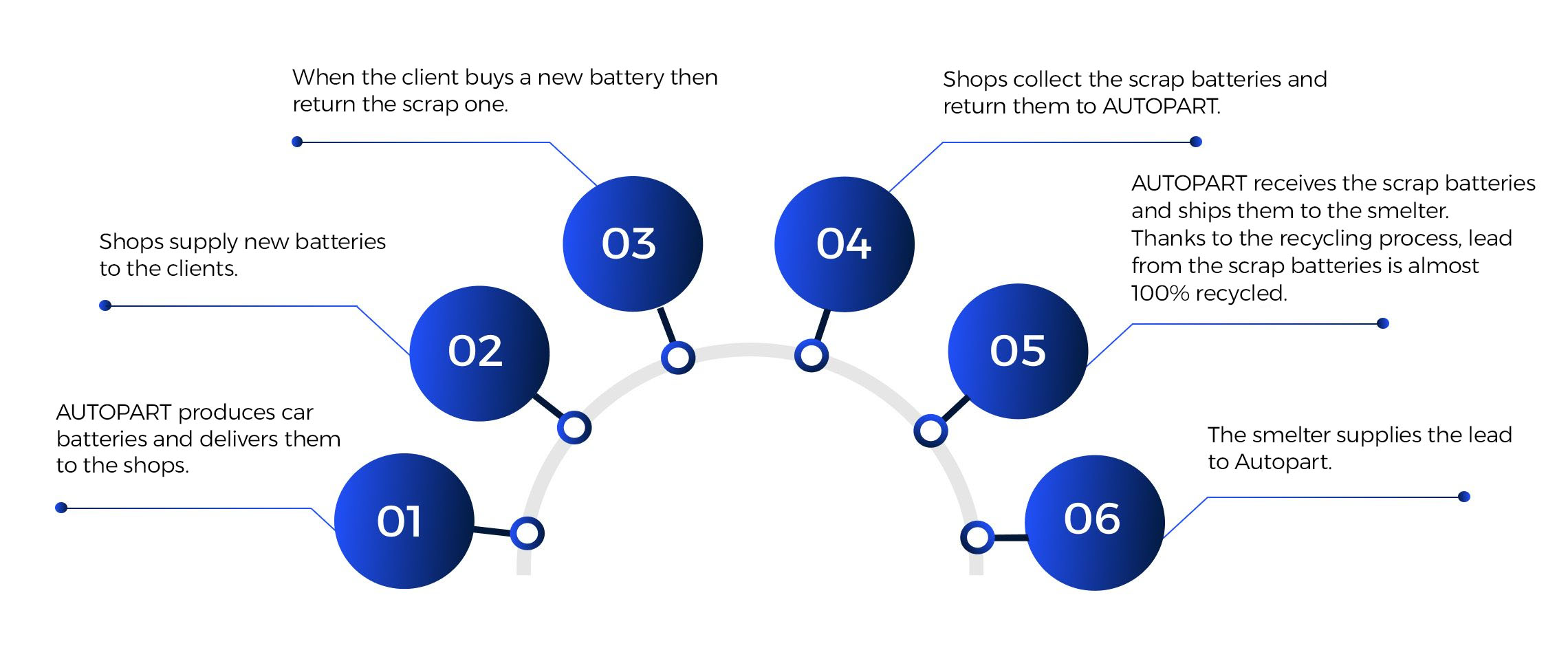
Recycling is becoming one of the most important ways to achieve the Circular Economy. Lead-acid battery recycling is an ideal example to emulate and explore our own waste management solutions.
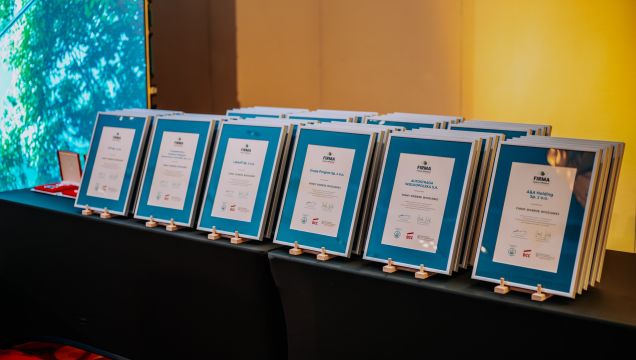
For the third time, we have won the Well-Seen Company award, presented by the Business Center Club chapter for our efforts in promoting corporate social responsibility. Compensation was awarded to BCC member companies for their commitment to CSR and ESG initiatives.
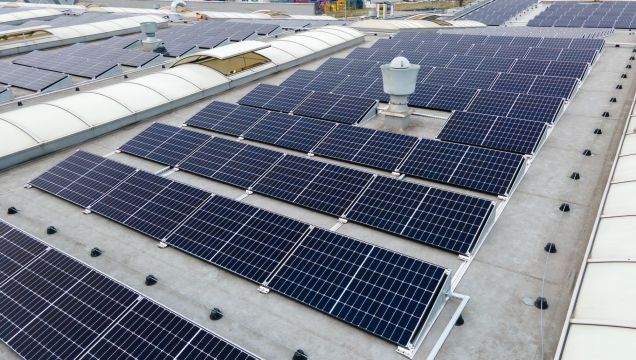
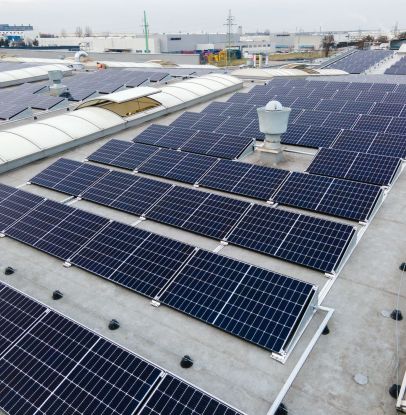
2,400 photovoltaic panels with a total capacity of 1 MWp have been installed on the roof of the AUTOPART factory. This allows for the production of 1,000 MWh of electricity needed to operate the entire plant and reduces CO² emissions by 770 tons per year.